System Call
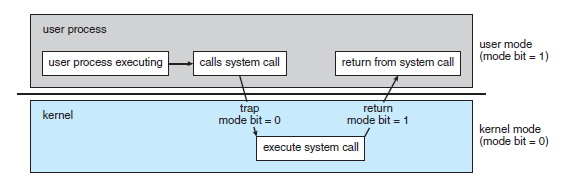
시스템 콜은 응용프로그램이 OS에게 서비스를 요청하는 인터페이스이다. 일반적인 응용프로그램은 HW에 직접 접근할 수 없기 때문에, 파일 입출력, 프로세스 생성, 네트워크 통신, 메모리 제어 등의 작업이 필요할 때 OS 커널에 도움을 요청한다. 이 때 사용하는 것이 시스템 콜이다.
시스템 콜은 사용자가 OS에게 직접 무언가를 부탁하는 legal한 path다.
System Call의 주요 특징
- 커널 모드 진입 : 시스템 콜을 호출하면 CPU 모드는 유저 모드(User Mode)에서 커널 모드(Kernel Mode)로 전환된다.
- 보안 및 안정성 보장 : 사용자 프로그램이 직접 하드웨어를 다루지 못하도록 차단하고, 시스템 콜을 통해서만 제어할 수 있게 한다.
- 오버헤드 : 모드 전환이 일어나기 때문에 함수 호출에 비해 비용이 크다. (context switching 발생)
System Call의 동작 흐름
- 사용자 프로그램이 시스템 콜 라이브러리 함수를 호출한다(open(), read() 등).
- 라이브러리 함수는 CPU에 System Call 번호를 세팅하고, 특별한 명령어(예: syscall, int 0x80)로 커널에 진입한다.
- 커널이 해당 요청을 처리하고 결과를 반환한다.
- 유저 모드로 복귀하고, 결과를 사용자 프로그램에 전달한다.
System Call의 예시
| 분류 | 시스템 콜 |
| 파일 조작 | open(), read(), write(), close() |
| 프로세스 관리 | fork(), exec(), exit(), wait() |
| 메모리 관리 | mmap(), brk() |
| 통신 | socket(), bind(), accept(), connect() |
| 기타 | getpid(), kill() |
- C 예시 코드 : 여기서 open, write, close는 모두 직접 시스템 콜을 호출하는 C 라이브러리 함수다.
#include <unistd.h>    // write(), close()
#include <fcntl.h>     // open()
#include <sys/types.h>
#include <sys/stat.h>
#include <stdio.h>

int main() {
    int fd;
    const char *text = "Hello, World!\n";

    // 파일 열기 (O_WRONLY: 쓰기 모드, O_CREAT: 파일 없으면 생성, O_TRUNC: 기존 내용 삭제)
    fd = open("example.txt", O_WRONLY | O_CREAT | O_TRUNC, 0644);
    if (fd == -1) {
        perror("open");
        return 1;
    }

    // 파일에 쓰기
    if (write(fd, text, 20) == -1) {
        perror("write");
        close(fd);
        return 1;
    }

    // 파일 닫기
    if (close(fd) == -1) {
        perror("close");
        return 1;
    }

    return 0;
}- 다른 예제 : System call을 사용해 프로세스 생성과 프로그램 실행
#include <unistd.h>
#include <stdio.h>
#include <sys/wait.h>

int main() {
    pid_t pid = fork();

    if (pid < 0) { // fork 실패
        perror("fork");
        return 1;
    } else if (pid == 0) { // 자식 프로세스
        printf("Child: Executing 'ls -l'\n");
        char *args[] = {"ls", "-l", NULL};
        execvp(args[0], args);

        // execvp 실패 시
        perror("execvp");
        return 1;
    } else { // 부모 프로세스
        printf("Parent: Waiting for child to finish\n");
        wait(NULL);  // 자식 프로세스 종료 기다림
        printf("Parent: Child finished\n");
    }

    return 0;
}'Krafton Jungle > 2. Keywords' 카테고리의 다른 글
| [WEEK07] DMA와 이더넷 (0) | 2025.04.29 |
|---|---|
| [WEEK07] 가비지 컬렉션과 메모리 관련 오류들 (0) | 2025.04.28 |
| [WEEK07] Demand-zero Memory (0) | 2025.04.28 |
| [WEEK07] 가상 메모리와 페이징 (0) | 2025.04.28 |
| [WEEK07] 명시적 가용 리스트와 분리 가용 리스트 (0) | 2025.04.25 |